
Your coffee canister is likely safe. While the article above suggests a current widespread recall for Massimo Zanetti Beverage USA brands, there is no such active recall as of late 2024. The most recent significant recall involving this company occurred in June 2022 and was limited to a single product—Hills Bros. Whole Bean Coffee (12 oz)—due to undeclared hazelnuts. A broader multi-brand recall for physical contamination (plastic) occurred in 2015, but that matter is long since resolved.
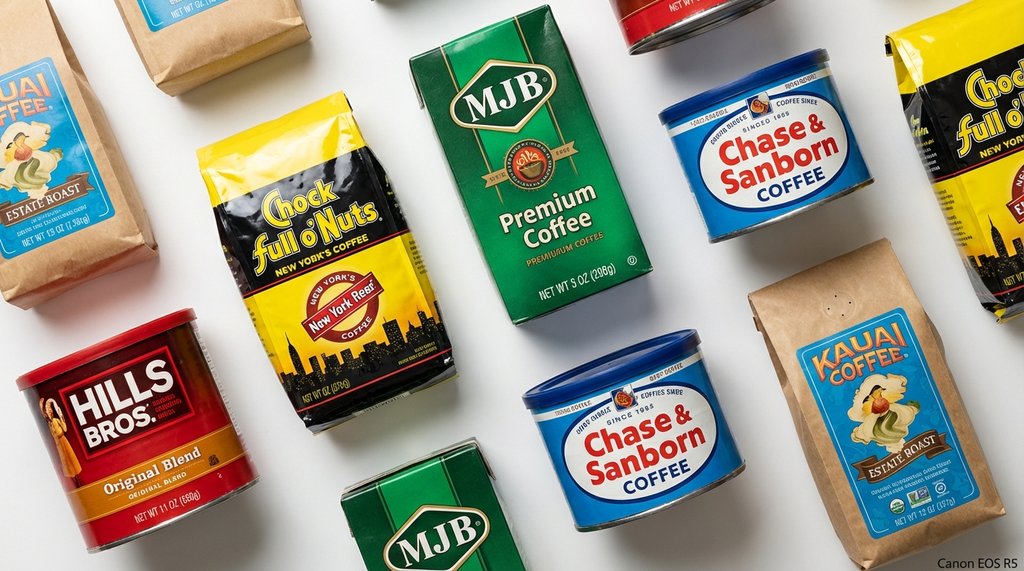
However, understanding how to navigate a voluntary recall is essential for consumer safety. Massimo Zanetti Beverage USA — the holding company behind Chock Full o’Nuts, Hills Bros., MJB, Chase & Sanborn, and Kauai Coffee — produces a vast number of SKU variations across many retail channels, meaning the brand name alone is never enough to identify an affected product.
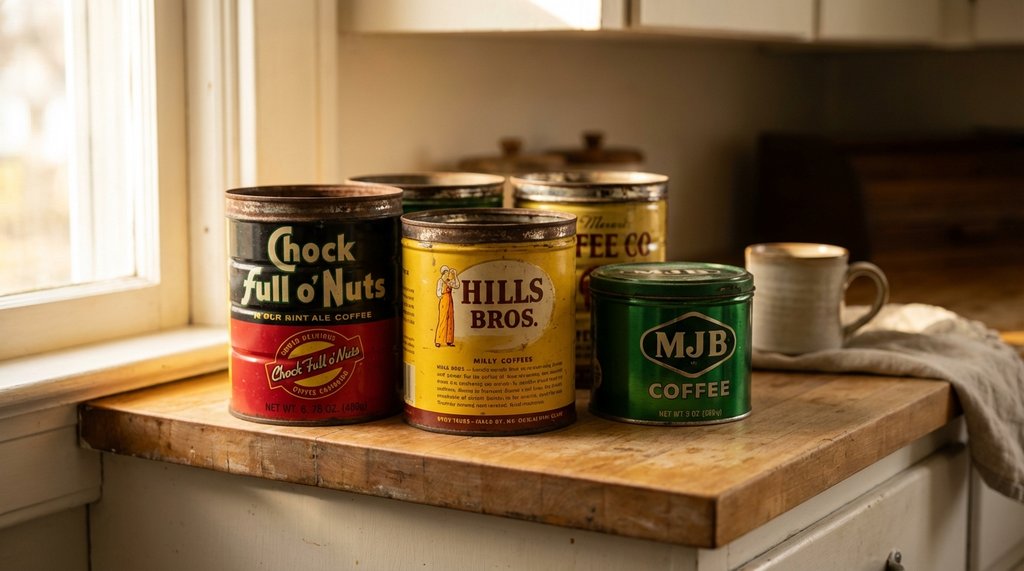
Why “I Buy Hills Bros.” Isn’t Enough Information
The first mistake consumers make when a recall is announced is searching the brand name and assuming they are either affected or safe based on a product photo. That is not how the process works.
Massimo Zanetti runs the same core production lines across multiple brands with different label identities. A 48 oz. can of Hills Bros. Original Blend and an identically-sized Chock Full o’Nuts might share a production window but have entirely different UPC codes and regional distribution footprints. This means one might be on a recall list while the other is not, even if they were produced in the same facility during the same week.
The only reliable check is the lot code printed on your specific container, cross-referenced against the official list in the FDA recall notice.
Where the Actual Information Lives (Not Where You Think)
Most Google searches for food recalls land on news aggregators or consumer alert sites that summarize information in broad strokes. Many of these sites fail to reproduce the full lot code table. They provide the headline — brands affected, size range, general reason — but not the granular detail needed to make an actual decision.
Go directly here: FDA Recall Database — https://www.fda.gov/safety/recalls-market-withdrawals-safety-alerts
Search “Massimo Zanetti” in the firm name field. The official recall notice — not the press summary — will contain a table with:
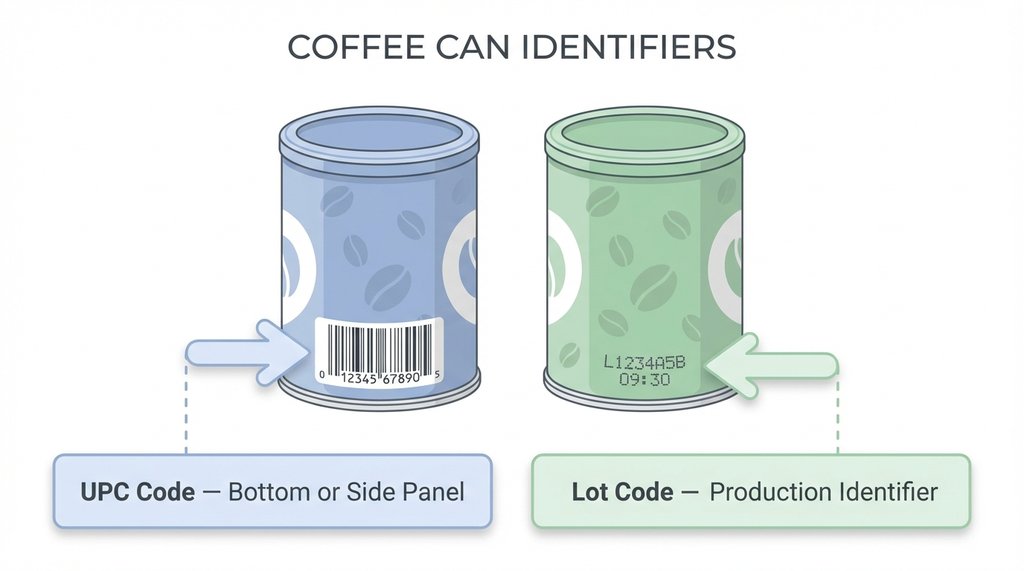
- UPC codes (12-digit, on the bottom or side of your can)
- Lot codes (typically stamped or embossed near the best-by date)
- Best-by date ranges for affected production runs
- Net weight / container size breakdowns
- Retail distribution regions, if specified
If your product’s UPC isn’t in that table, you’re not affected. If it is, you must still cross-check the lot code. A UPC match with a non-matching lot code still puts you outside the recall scope.
How to Read the Lot Code on These Specific Cans
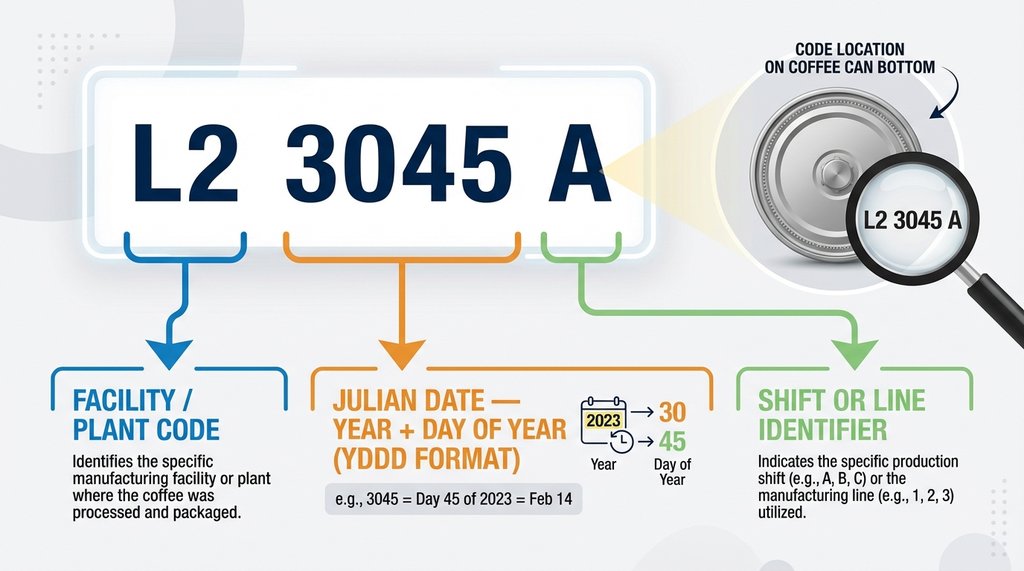
Massimo Zanetti typically uses a plant code + Julian date + shift stamp format on most of their canned ground coffee lines. It often looks something like L2 3045 A stamped near the bottom rim or printed on the lid.
- The letter-number prefix (e.g., “L2”) identifies the production facility.
- The four-digit number is often a Julian date in YDDD format. In the example 3045, the “3” represents the year (2023) and “045” represents the 45th day of that year (February 14).
- The trailing letter is a shift or line identifier.
If you see “JAN 2025” stamped on top, that is the best-by date, not the lot code. The actual lot code is a separate alphanumeric string, usually smaller, located on the bottom or side panel. If you cannot locate a lot code on a product that matches an active recall’s UPC, you should treat the product as potentially affected.
The Brands You Might Have Forgotten Are Massimo Zanetti
Chock Full o’Nuts and Hills Bros. are the most prominent brands. MJB has a strong presence in the Pacific Northwest, while Chase & Sanborn is often found in discount and closeout retail channels. Kauai Coffee and Segafredo Zanetti are also part of the corporate portfolio.
Massimo Zanetti also co-packs private-label coffee for several regional grocery chains. If you buy store-brand coffee at a regional grocer in the Mid-Atlantic or Southeast, it may have been produced at a Massimo Zanetti facility. In a recall situation, private-label products are the most difficult to track, as the retailer’s own communication may lag behind the manufacturer’s notice. In these cases, contact the grocery chain’s customer service with the manufacturer’s recall reference number.
What to Do If a Product Is Affected
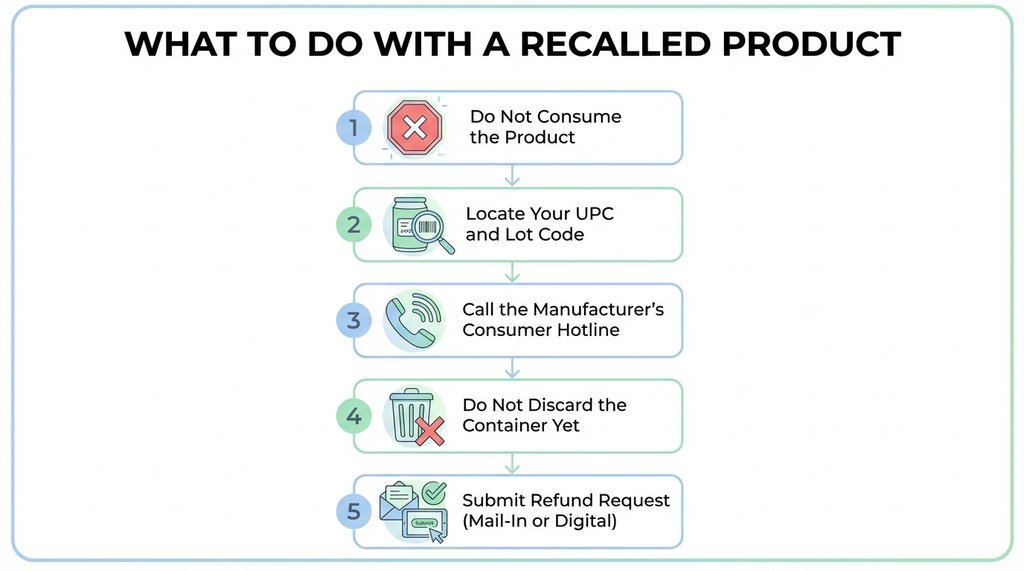
If a product is confirmed to be part of a recall, do not drink it. Do not attempt to “cook it out” or boil the coffee; if a contamination concern is chemical or involves certain heat-resistant toxins, brewing temperatures will not make the product safe.
Most voluntary recalls offer a full refund. Massimo Zanetti’s official notices include a consumer contact number. Call this number with your UPC and lot code ready. The refund process usually involves a mail-in request or a digital reimbursement. Do not discard the container until you have secured the necessary information for a refund, and check with the manufacturer before attempting a return at a retail store, as store policies on recalled food can vary.
A Note on the Risk Level
Voluntary recalls initiated by manufacturers are often preventative measures taken before any reports of consumer illness. This usually means the concern was identified during internal quality control (QC) or downstream testing.
However, “voluntary” does not mean the risk should be ignored. The mechanism for a voluntary recall is the same as a mandatory one: the affected product is deemed unfit for commerce and should be removed from your home. You cannot determine if coffee is contaminated by looking at, smelling, or tasting it. Only the lot code provides a definitive answer.
If the FDA Page Is Inaccessible
The FDA recall database can experience latency during high-traffic periods. If the site is down, the USDA’s FoodSafety.gov recall aggregator (https://www.foodsafety.gov/recalls) typically mirrors the data.
If a recall notice seems to lack detail initially, it is often because the company is still completing its internal audit. Check back within 48 to 72 hours; updated notices almost always include the specific UPC and lot information that may have been missing from the first announcement.