

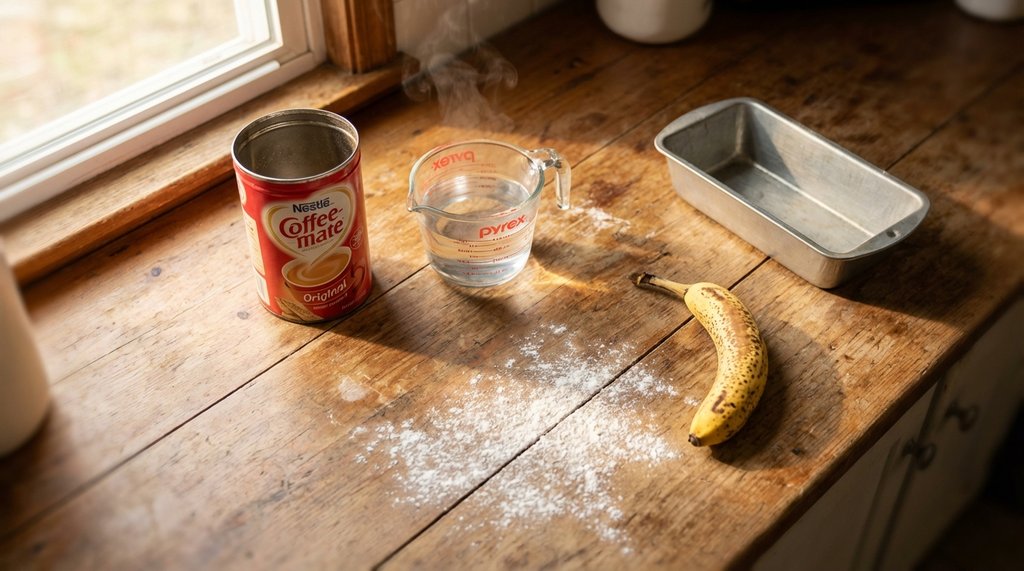
My mom ran out of milk halfway through a banana bread batter last Thanksgiving, and because we were at her house and she keeps Coffee Mate powder in the cabinet the way some people keep emergency cash, I made the call to just use it. The loaf came out fine — better than fine, actually. That one accidental substitution turned into about eight months of deliberate testing, mostly because I couldn’t get a straight answer anywhere online that went beyond “use 1 tablespoon per cup of water” and called it a day.
That advice is technically correct and practically incomplete.
The Basic Reconstitution Ratio, and Why You Can’t Stop There
The standard instruction on the Coffee Mate canister — 1 teaspoon of powder per cup of coffee — is calibrated for coffee. For baking, you need to think about what you’re actually replacing.
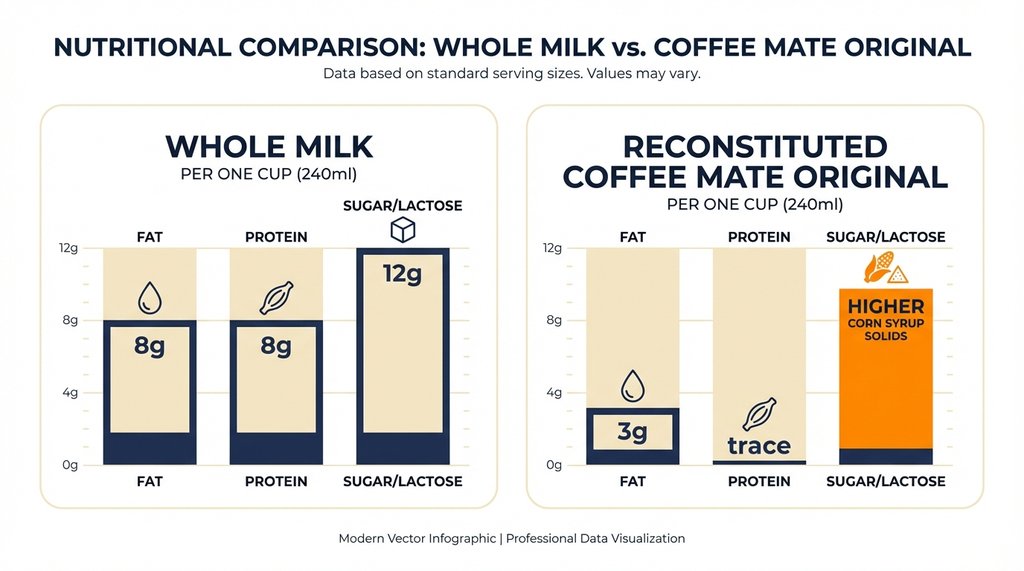
Whole milk is roughly 3.25% fat, 3.15% protein, 4.8% lactose. Coffee Mate Original powder, when you look at what’s actually in it, is mostly corn syrup solids and hydrogenated vegetable oil with sodium caseinate (a milk protein derivative). The fat content per reconstituted cup works out to about 3g when made at a 1 tablespoon ratio — noticeably lower than whole milk’s 8g per cup.
This matters more in some recipes than others, and it took me embarrassingly long to connect the fat gap to the specific failures I was seeing.
For a direct milk swap in most quick breads and muffins: 2.5 tablespoons Coffee Mate powder dissolved in 1 cup warm water. Not the standard ratio — the higher powder amount gets you closer to whole milk’s fat content. For recipes calling for 2% milk, 1.5 tablespoons per cup is actually about right.
If the recipe calls for buttermilk, add 1 tablespoon of white vinegar or lemon juice to the reconstituted Coffee Mate mixture, let it sit for 5 minutes. The curdle is less dramatic than with real milk — it gets a bit stringy rather than properly clabbered — but it does acidify the batter enough to activate baking soda. I’ve done this for three different buttermilk pancake recipes and the texture difference was negligible.
Where It Actually Works
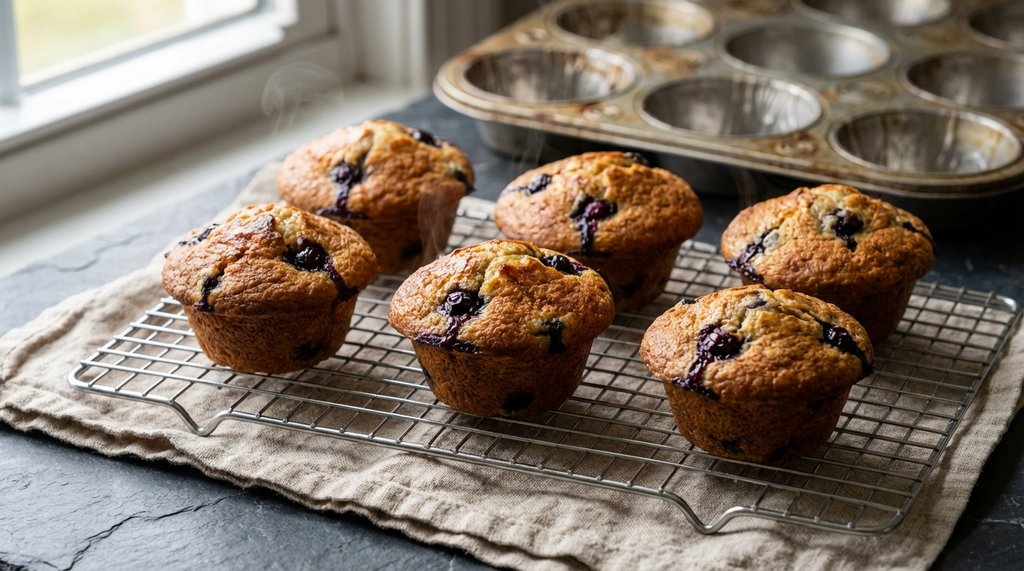
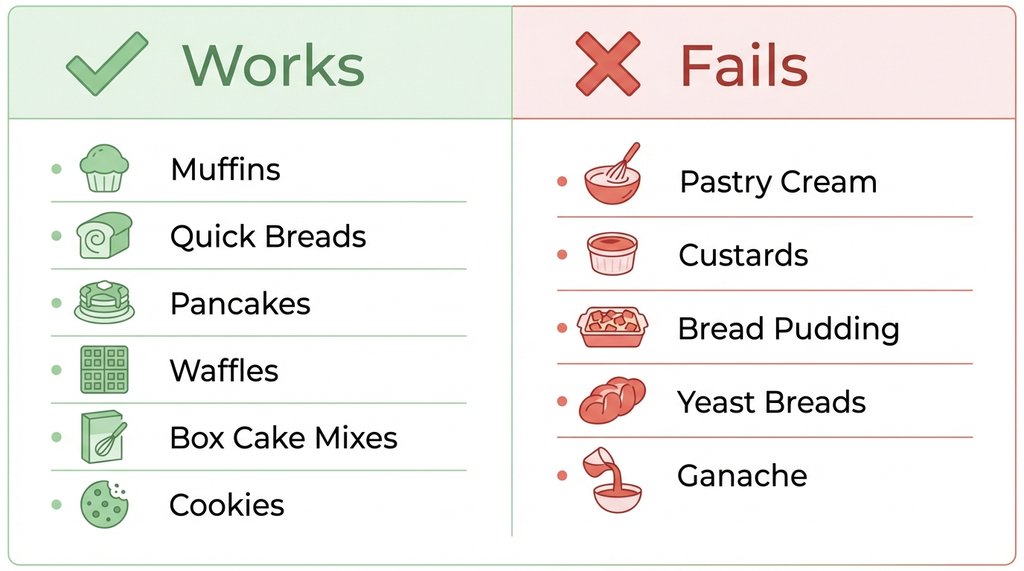
Muffins and quick breads: This is the wheelhouse. Fat-forward recipes like banana bread, zucchini bread, and blueberry muffins are forgiving because the primary liquid is doing structural work (hydrating flour, dissolving sugar, carrying leavening), and Coffee Mate handles all of that without issue. I ran the same blueberry muffin recipe back-to-back with whole milk and Coffee Mate reconstituted at 2.5 tbsp/cup. Baked at 375°F for 22 minutes. The Coffee Mate version had a slightly more pronounced golden crust — probably from the corn syrup solids caramelizing — and the crumb was essentially identical.
Pancakes and waffles: Works well. The extra corn syrup solids in the batter give you slightly better browning on the griddle. If you’re chasing a crispier waffle edge, this is not a bad thing.
Box cake mixes: Completely interchangeable. The box mix already has powdered dairy components built into its formula, so adding more powdered dairy via reconstituted Coffee Mate doesn’t create any obvious incompatibility. I’ve done this at least a dozen times at this point.
Cookies where milk is a minor ingredient: Snickerdoodles, soft sugar cookies, any recipe where you’re adding 2-3 tablespoons of milk to adjust dough consistency. The substitution is invisible.
Where It Fails, and Why
This is the part that took me the longest to map out, and where I kept finding conflicting information online that turned out to be technically wrong for specific reasons.
Pastry cream, puddings, and custards: Full stop, do not try this. I attempted a vanilla pastry cream in February using reconstituted Coffee Mate, and it never set properly. The filling for an eclair batch came out like loose gravy. The problem is protein structure — real milk’s proteins and emulsified fats interact with the starch and eggs to stabilize the gel. Sodium caseinate in Coffee Mate is present in much smaller amounts, and it’s been processed in a way that doesn’t behave the same under heat. The pastry cream looked perfect at first, set up slightly in the fridge, and then wept liquid everywhere within two hours. I’ve since confirmed this is structural, not fixable by adding more cornstarch.
Bread pudding: Same underlying issue. Bread pudding relies on a custard that sets around the bread. With Coffee Mate as the liquid, the custard layer stays wet and the whole thing has a greasy mouthfeel because the fat isn’t emulsified the way it would be in an actual egg-and-milk custard. I tried this twice, adjusting egg ratios the second time, and still didn’t get a clean set.
Yeast breads: This one surprised me. I tested a standard white sandwich bread recipe — 3 cups bread flour, 1 tsp instant yeast, 1 tsp salt, 1 tbsp sugar, 1 cup liquid, 2 tbsp butter. Made it three ways: whole milk, water only, and Coffee Mate reconstituted at 2.5 tbsp/cup. The Coffee Mate version had a 15% longer rise during the bulk ferment (roughly 1 hour 40 minutes vs. 1 hour 25 minutes for whole milk under identical kitchen conditions at 74°F). The finished loaf was noticeably denser, with a tighter, less developed crumb. The crust had more color from the corn syrup solids but the interior didn’t have the soft, pillowy structure you want from an enriched sandwich loaf. My best guess is the higher sugar content in the Coffee Mate powder is creating a mildly osmotic environment that’s slowing yeast activity — but I haven’t isolated that variable fully.
Ganache and chocolate-based sauces: Coffee Mate makes a greasy, gritty ganache. The problem is emulsification — proper ganache depends on the fat-in-water emulsion that cream facilitates through its natural proteins and phospholipids. The hydrogenated oil in Coffee Mate doesn’t behave like cream fat, and the result separates or goes grainy. I tried this once with a 2:1 chocolate-to-“cream” ratio using reconstituted Coffee Mate at a higher concentration (2 tablespoons per half cup of water), and the ganache seized partway through mixing. Not worth troubleshooting.
The Cream Replacement Question
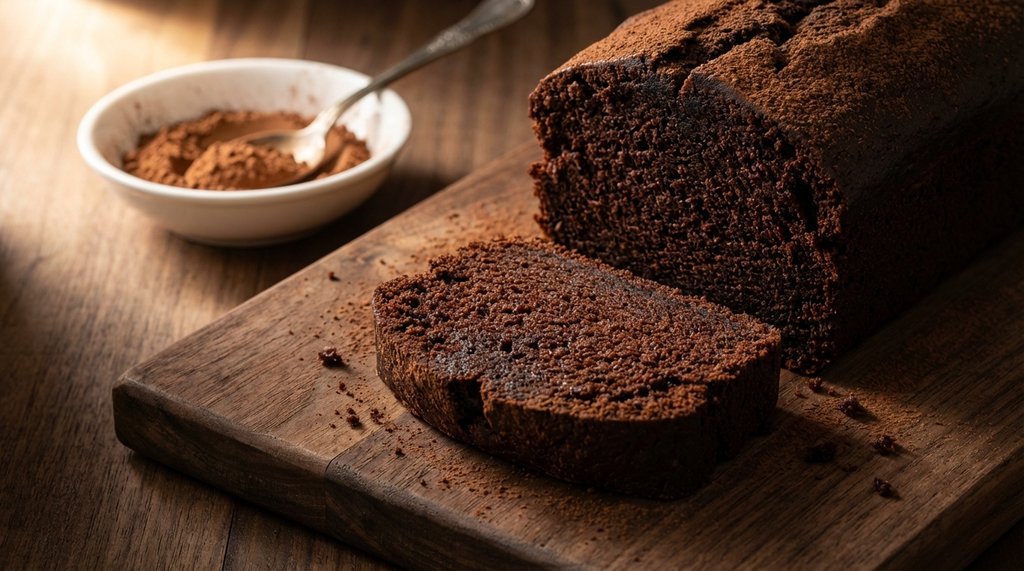
This is where I have a non-consensus take that I’ve gotten pushback on: reconstituted Coffee Mate is not an acceptable heavy cream substitute in savory applications, but a high-ratio reconstitution — 3 tablespoons of powder per ½ cup warm water — produces something that behaves adequately as heavy cream in baked goods where cream provides richness rather than structure. I used this ratio in a chocolate pound cake recipe (the kind where you bloom cocoa in hot cream), and the result was within normal variation. The cake had slightly more sweetness and a barely perceptible artificial quality to the finish that I could identify because I was looking for it, but wouldn’t notice blind.
For whipping: forget it. Coffee Mate powder doesn’t whip. There’s no way to make this work. I know there are Pinterest posts suggesting you can get a whipped topping by reconstituting at high concentration and chilling — I tried it in a cold bowl with cold equipment, and all I got was a dense foam that collapsed in under two minutes. The fat in Coffee Mate isn’t the right type and isn’t in sufficient quantity to trap air the way cream does. This is physics, not technique.
A Note on the Sodium Caseinate Issue
If you or the person you’re baking for is avoiding dairy for allergy reasons — not lactose intolerance, but actual milk protein allergy — standard Coffee Mate Original contains sodium caseinate, which is a milk derivative. It’s labeled as “contains milk” on the current US formulation. I mention this because I’ve seen it incorrectly described as dairy-free in at least four different baking substitution guides. The non-dairy label on Coffee Mate refers to the absence of lactose and fresh milk, not the absence of milk proteins. If allergy is the driving reason for the substitution, this matters significantly.
The Coffee Mate Natural Bliss line and some of the plant-based creamers are a different story, but they have different fat and solid contents that change the ratios again.
Working Reference Table
For quick reference, the conversions I’ve settled on after testing:
| Recipe uses | Coffee Mate sub | Notes |
|---|---|---|
| 1 cup whole milk | 2.5 tbsp powder + 1 cup warm water | Matches whole milk’s fat content |
| 1 cup 2% milk | 1.5 tbsp powder + 1 cup warm water | Matches 2% milk’s fat content |
| 1 cup buttermilk | 2.5 tbsp powder + 1 cup warm water + 1 tbsp acid | Let sit 5 min |
| 1 cup heavy cream (baked goods only) | 3 tbsp powder + ½ cup warm water | Not for custards or whipping |
| 1 cup heavy cream (custard/ganache) | Do not substitute | Structural failure |
The threshold for where I’d feel confident recommending this swap without qualification: any recipe where the milk is contributing liquid and minor richness, and where the baked structure comes primarily from fat (butter/oil), eggs, and flour — not from the milk’s protein content. The moment milk is load-bearing in the recipe’s chemistry, the substitution starts breaking down in ways that are hard to compensate for.