The first time I tried to replicate the cup I’d had at a Yemeni household in Dearborn, Michigan, I ended up with something that tasted like bitter dirt with a cardamom air freshener waved over it. Not quite the same thing.
That was three years ago. Since then I’ve gone through roughly eleven kilograms of Arwa ground coffee across four different brewing setups, and the gap between “Yemeni coffee at home” and “Yemeni coffee that actually tastes like Yemeni coffee” turned out to hinge on about three decisions that almost nobody writing about this online gets right.
Why Arwa Specifically Is Harder to Brew Than It Looks
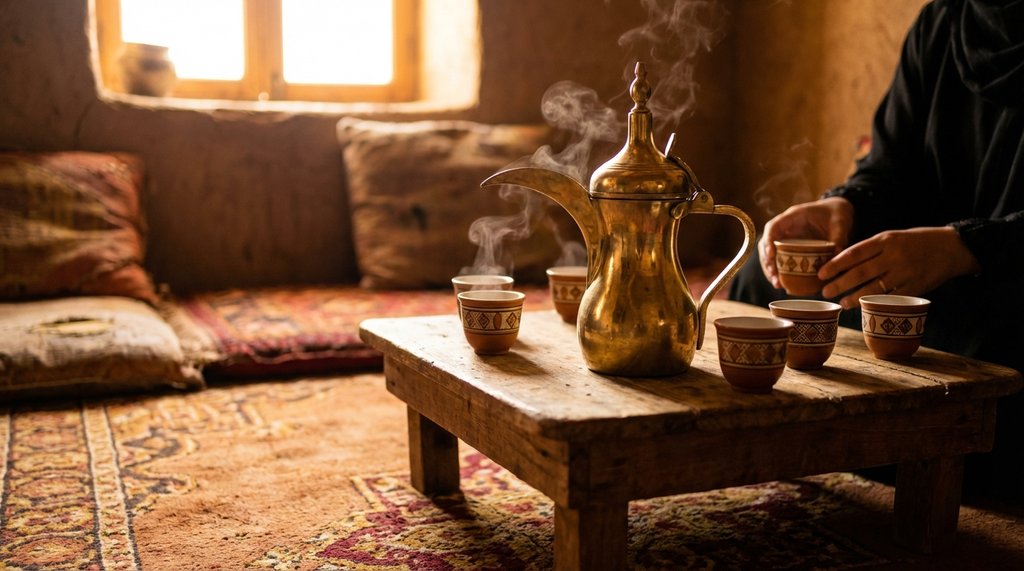
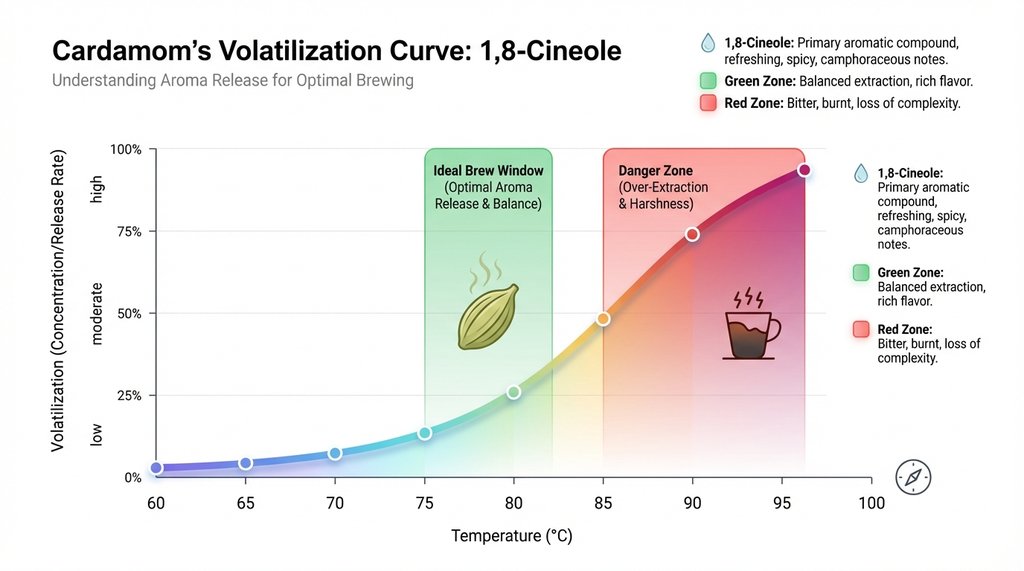
Arwa’s medium-roast ground coffee is calibrated for the dallah — that long-spouted brass or steel pot you brew directly over a flame. The grind is coarser than espresso but finer than standard drip, sitting around 400–600 microns depending on the bag, and the roast is light enough that you’re extracting flavor compounds that evaporate fast at high temperatures. Cardamom’s primary volatile aromatic, 1,8-cineole, starts volatilizing rapidly above 85°C. Most home brewers either don’t know this or ignore it, and then wonder why their coffee smells great while brewing and tastes flat in the cup.
This is the core problem. Arwa’s cardamom-spiced profile isn’t from dumping ground cardamom on top of strong coffee. The spice is integrated into the grind, and it behaves differently than the coffee solids during extraction. You need to treat them as two separate extraction targets sharing the same water.
Equipment: What I Actually Use and What I Abandoned
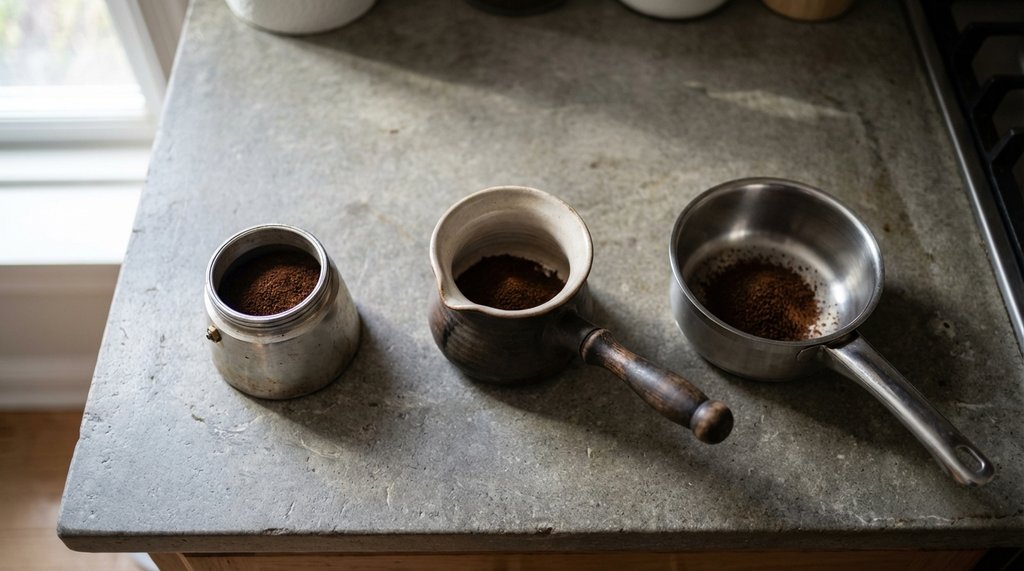
I went through a phase of trying to replicate this in a Moka pot because the pressure felt closer to the dallah’s concentrated brew. Bad call. The Moka pot’s brew chamber hits 93–96°C at the point of extraction, which scorches the cardamom aromatics almost completely. I ran the same Arwa batch through a Moka pot and a standard stainless stovetop saucepan side by side — same coffee-to-water ratio (1:8 by weight), same grind — and the saucepan cup had measurably more aromatic complexity. I don’t have a gas chromatograph at home, but the difference was obvious enough that I didn’t need one.
What I settled on: a 600ml stainless saucepan on a low-wattage induction plate, or a wide-mouthed ceramic ibrik if I’m making a smaller batch. The ibrik works specifically because I can pull it off heat manually the moment the foam starts rising — which I’ll get to — rather than relying on any automated shutoff. I threw out my electric Turkish coffee maker after the third batch. The thermostat on the one I owned (a mid-range model, not worth naming specifically) bottomed out at 91°C, which is still high enough to kill the top end of the cardamom.
The Actual Brew Process, Step by Step
Start with cold water. Not room temperature, cold. The slower the ramp from cold to near-boil, the more time the cardamom has to infuse before the heat peaks. I use filtered tap water at roughly 8–10°C pulled straight from the fridge. If you’re in a hard-water region, this matters: high mineral content competes with cardamom’s delicate volatiles in ways that are hard to describe precisely but easy to taste. I brew with water around 80–120 ppm TDS and the difference from my unfiltered tap (around 340 ppm) is not subtle.
Ratio. For Arwa ground coffee specifically: 10 grams per 150ml of water is my baseline. This sounds weak compared to what espresso-trained people expect, but Yemeni coffee’s flavor profile isn’t built around high-extraction intensity the way Italian espresso is. When I’ve pushed to 12g/150ml, the cardamom gets drowned by coffee bitterness in the final cup because the bitter compounds are outrunning the aromatics.
Add the coffee to cold water, not hot water to coffee. This is the one change that made the single biggest difference for me. When you add Arwa’s pre-spiced grind to cold water and bring it up together, the cardamom releases gradually into the water column instead of immediately flash-volatilizing. I clocked the difference once: cold-start method produced a noticeably more layered aromatic profile versus hot-water-add, and the cup retained its spice note for longer after pouring, probably because the infusion was more even.
Bring the heat to medium-low. You’re aiming for the surface temperature to stay between 75–82°C throughout most of the brew. Use a clip-on thermometer if you have one. If you don’t, the visual cue is small persistent bubbles appearing at the bottom of the pot without a rolling boil — in kitchen terms, just below a simmer.
The foam rise. Arwa coffee will foam — sometimes aggressively — as it approaches temperature. The moment you see the foam rising toward the rim, remove the pot from heat. Not reduce heat. Remove it entirely. Let the foam settle completely, then return it to the lowest possible heat setting for another 45 seconds. Do this rise-and-rest cycle twice. The total brew time from cold start to finish is usually 12–15 minutes using this method.
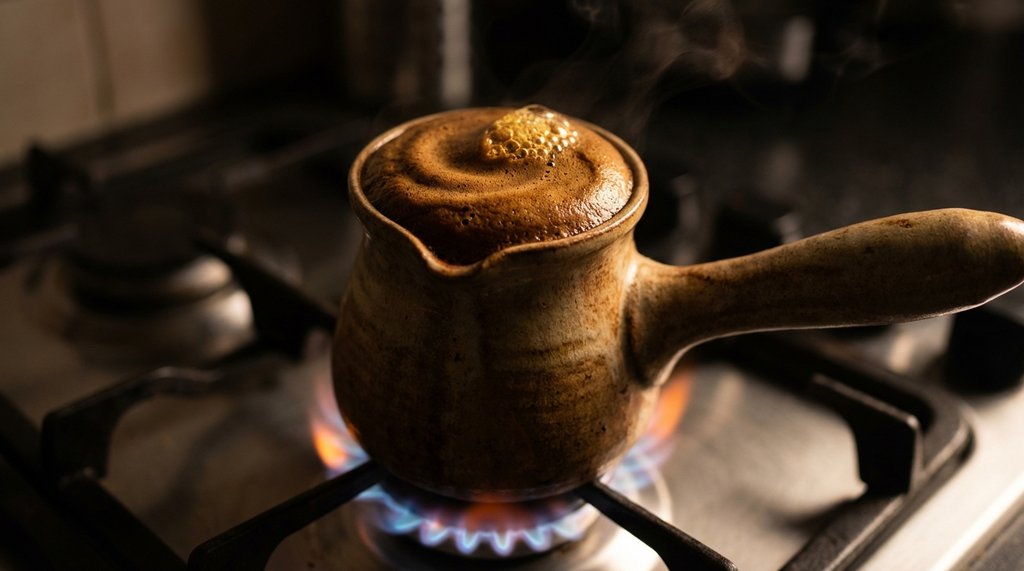
Let it settle before pouring. At least 90 seconds. The grind is fine enough that it stays suspended longer than you’d expect. Pouring immediately gives you gritty sediment in the cup, which isn’t the problem people think it is (sediment is fine in Yemeni coffee), but the turbulence from pouring too early also throws fine particles into suspension that settle unevenly. I use a thin-spouted dallah for the final pour precisely because it slows the flow and helps the grounds stay behind.
The Cardamom Question: Fresh vs. Pre-Ground vs. What Arwa Is Already Doing
Here’s where I’ll push back on something you’ll find on every “authentic Yemeni coffee” recipe post: the advice to add extra freshly ground cardamom pods on top of pre-spiced coffee like Arwa.
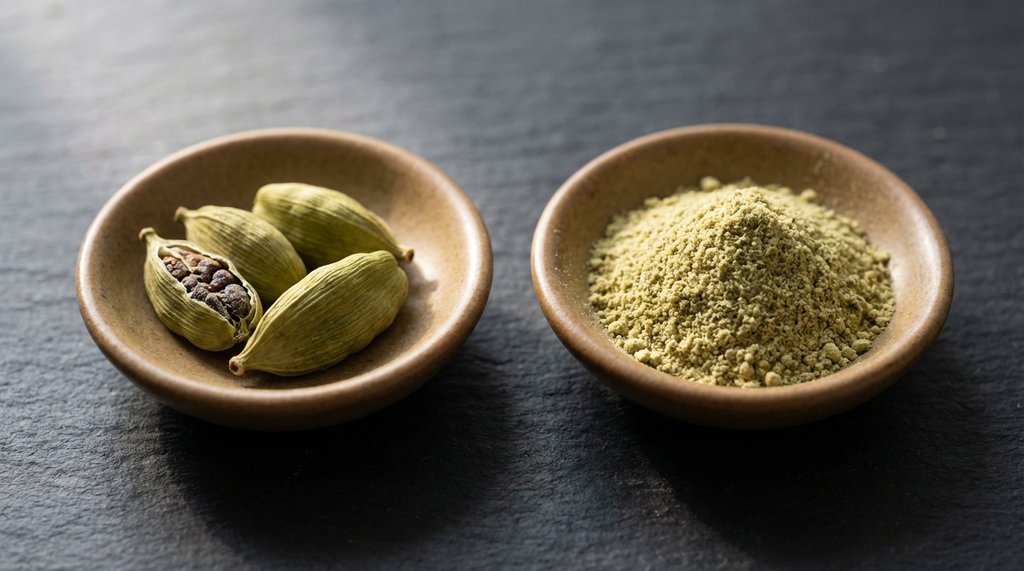
I tested this. I added half a freshly cracked green cardamom pod per cup to an Arwa brew at the cold-start stage, expecting an amplified spice profile. What I got instead was a weird doubling effect — a sharpness from the fresh cardamom sitting on top of the more integrated spice note from the pre-ground blend. They didn’t merge. The fresh cardamom’s volatile compounds peak earlier and sharper than the already-processed cardamom in the Arwa grind, and at brew temperatures above 78°C they’re mostly gone before the coffee is done.
If you want more cardamom depth in the final cup, the better method is to add a small amount — I use about 0.4 grams per 150ml serving — of pre-ground cardamom (not freshly cracked pods, but already-ground, commercial fine-grind cardamom) directly into the cold water alongside the coffee. Pre-ground cardamom infuses more slowly and blends more evenly with the rest of the Arwa spice profile because the essential oil is already partially oxidized and behaves more like the integrated spice in the blend. Fresh-cracked pods are great for qishr, but they fight with the Arwa grind instead of supporting it.
What to Do When the Brew Goes Flat Anyway
If you pull a cup and the cardamom note is there on the nose but disappears immediately on the palate, the problem is almost always over-extraction from too-high heat during the foam rise. The coffee solids are pulling ahead of the spice aromatics. The fix isn’t less coffee — it’s lower heat and a slower rise.
If the cardamom is completely absent even on the nose, the grind has oxidized. Arwa bags, once opened, start losing volatile spice aromatics within four to five days if stored at room temperature. I keep opened bags in a small glass jar with a loose lid in a cool dark cabinet — not the freezer, because the condensation cycle from repeated opening pulls moisture into the grounds and the cardamom note never recovers once that happens. After about eight days of open-bag storage, even optimal brewing technique won’t fully recover the spice profile that was there at opening.
One more thing: the cup it’s served in matters more than it sounds. I switched from ceramic mugs to glass after reading something about heat retention, and the coffee cooled too fast, which cut the aromatic experience off early. Thick-walled ceramic, pre-warmed with a splash of hot water and dried before pouring, keeps the brew at the right temperature long enough for the cardamom to stay present through the first half of the cup. At below about 55°C the spice note fades sharply. This is coffee you drink while it’s still hot.