
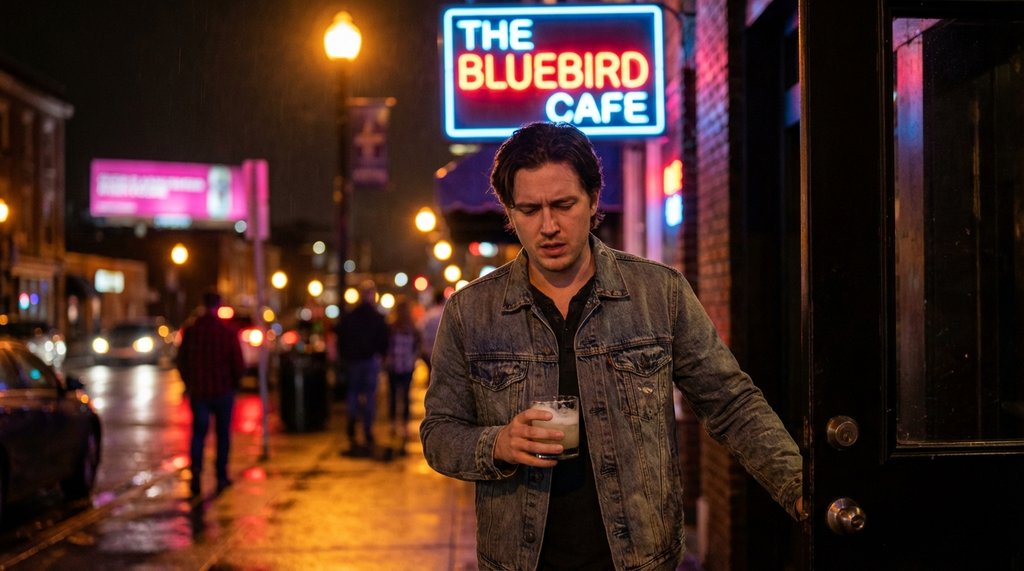
Last Friday I walked out of a bar in East Nashville after paying $14 for what turned out to be a Keurig pod dumped into a rocks glass with some foam on top. The bartender called it a “craft cortado.” I didn’t have the energy to argue about it.
This happens more than it should. And the frustrating part isn’t the bad coffee — it’s that genuinely good options exist, they’re just buried under a lot of noise. If you’re sober, sober-curious, pregnant, driving, or just someone who’d rather have a proper single-origin pour-over at 10pm than stand in the corner holding a sparkling water, finding those places without wasting an entire evening requires a specific approach that most “nightlife without alcohol” guides completely miss.
The Google Search Rabbit Hole Nobody Warns You About
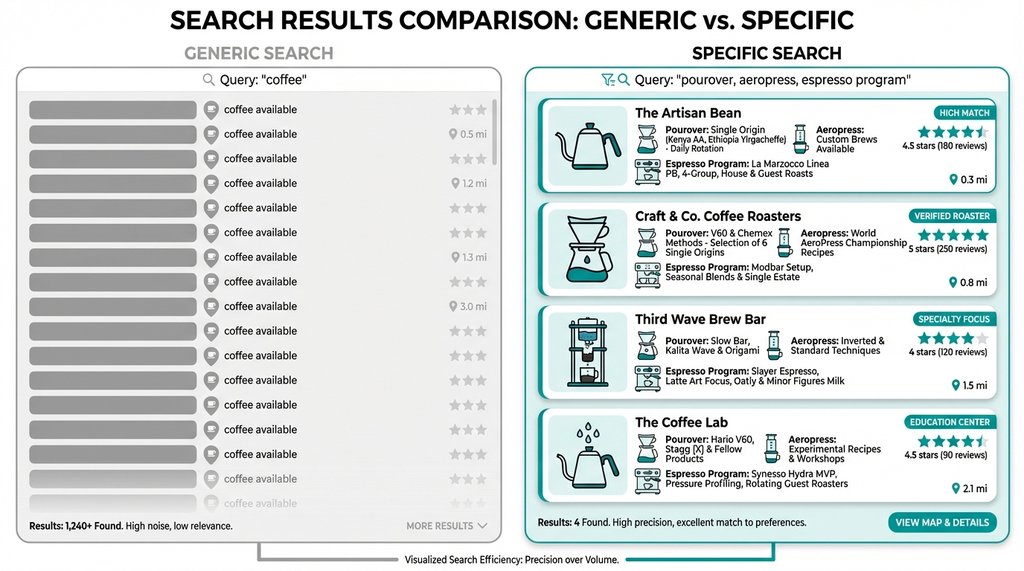
The obvious thing to do is search “bars with good coffee near me” or “cocktail bars specialty coffee [city].” I spent about three weeks last year systematically testing different search strings across Austin, Chicago, and Portland, and here’s what I found: Google’s local business categories are useless for this. A bar that has a La Marzocco Linea Micra behind the counter and runs a full espresso program until 2am shows up in search results identically to a bar that has a Bunn drip machine from 2009 and technically offers “coffee.” They’re both tagged “bar” and “coffee available.”
The search string that actually worked better than anything else for me was: “[city name] bar espresso program OR pourover OR aeropress -restaurant” filtered to the past 12 months. Not perfect, but the addition of specific brew method terms cuts through maybe 60% of the noise. You’re looking for places where someone who cares wrote something specific enough to mention the brewing method. That person exists at maybe 1 in 15 bars that would show up in a generic search.
The better path, though, is lateral. Go directly to your city’s specialty coffee community and work backwards.
Find the Coffee People First, Then Ask Them Where They Drink
Specialty coffee people in any mid-size to large city know exactly which bars have a real espresso setup and actually know how to use it. They also know which bars bought a nice machine as a prop and haven’t calibrated the grinder since the opening party.
The fastest way I’ve found: go to the r/[city] subreddit and search “bar coffee” or post asking specifically. Coffee Twitter/X local communities work well too — search your city’s name alongside “espresso” and look for conversations, not marketing posts. The coffee-enthusiast Discord servers (most major cities have one, usually findable through local roasters’ Instagram bios) are even better because people will tell you the honest version, including “their La Marzocco is great but the person on Saturdays doesn’t know how to dial it in so only go Thursday or Friday.”
I cannot overstate how useful that last layer of granularity is. I’ve visited bars where the espresso program is genuinely excellent three nights a week and actively bad on others because one person on staff actually cares about it.
What “Specialty Coffee at a Bar” Actually Looks Like in 2024
There are roughly four categories of places doing this, and they have very different vibes, price points, and quality ceilings.
Cocktail bars with a dedicated coffee program. These are the holy grail and they’re still relatively rare — maybe 40-60 of them across the whole country that I’d consider genuinely serious. The tell is whether they have a relationship with a specific roaster, whether they rotate their coffee seasonally, and whether the coffee drinks have the same level of description on the menu as the cocktails. Dante in New York quietly does this well. The Royal in Washington DC sources from local roasters and updates it. The Dead Rabbit has historically been decent. When you find one of these, the non-alcoholic menu is usually extensive enough that you’re not ordering a sad modification of something designed for booze — you’re ordering from a parallel program.
Coffee shops that got a liquor license. These operate more like coffee shops until around 5-6pm and then pivot. The coffee quality is often genuinely excellent because coffee is their core identity, but the vibe can feel split — too bright, too quiet, not actually “bar energy” if that’s what you’re looking for socially. Champion Coffee in Brooklyn goes this direction. Partners Coffee in New York does occasional evening events. Worth knowing about but different experience than a bar.
Hotel bars that invested in coffee because they had to. Some hotel bars in 2023-2024 have gotten surprisingly good at this, partly because they’re serving non-drinking guests who paid $350/night and expect something worth drinking after dinner. The Ace Hotel bars across various cities have historically been solid. Proper Hotel bars trend this way. The quality ceiling here is high but inconsistent — it depends entirely on who’s running beverage at that property.
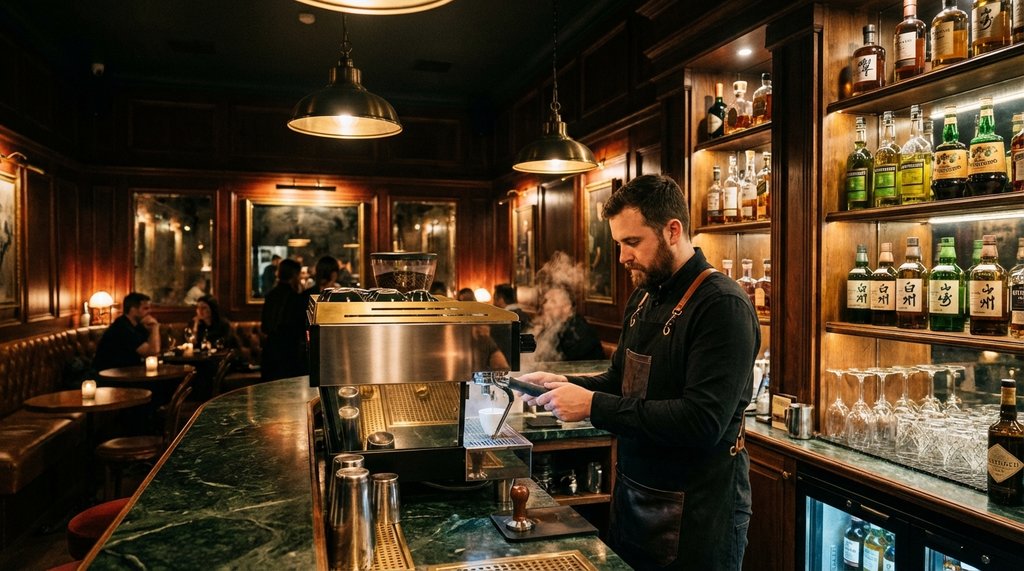
Cocktail bars that have a La Marzocco as a vibe piece. This is most of them. The machine is stunning, it’s on the bar, it gets used for Irish coffees and espresso martinis. The coffee itself is whatever was cheapest from a regional distributor. This is what I paid $14 for in Nashville.
The Pre-Visit Check That Takes Four Minutes
Before I go anywhere now, I do this specific check:
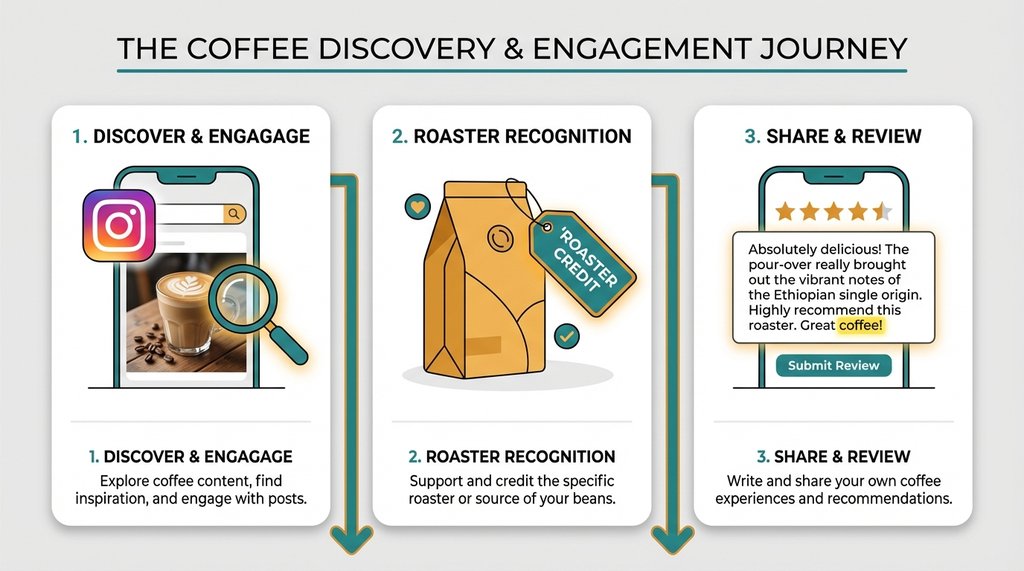
- Find the bar’s Instagram and search their own tagged photos for the word “espresso” or look at their drink photos carefully. If the espresso shots in cocktails look pale and thin, that tells you something. If they’ve never posted a standalone coffee drink, they probably don’t care about it.
- Check if they tag a specific roaster. Any bar serious about coffee will credit the roaster somewhere — on Instagram, on their menu photos, in their bio. If there’s no roaster tag anywhere, assume commodity coffee.
- Look at the most recent 15 Yelp or Google reviews and search within them for the word “coffee.” If nobody has mentioned the coffee specifically — not the espresso martini, but the coffee itself — that’s a strong signal that non-alcoholic coffee drinkers aren’t finding much reason to write home about it.
This process has improved my hit rate dramatically. I used to walk into maybe 1 in 5 bars and find something genuinely worth drinking on the coffee side. Now it’s closer to 2 in 3, because I’ve eliminated the places where it was never going to be good.
Apps and Platforms That Are Actually Useful in 2024
Yelp filters have quietly gotten more useful for this. The “Good for coffee” attribute combined with “bar” category and filtering for “open late” gets you a more workable list than Google. Still noisy, but less so.
While Untappd is obvious for craft beer, dedicated coffee tracking apps like Kava are what some specialty coffee bars have started using. Thin database still, but growing.
The Infatuation — their city guides specifically call out bars where the non-alcoholic program is taken seriously. Their New York and LA guides are the most thorough. Search within their site for “coffee program” alongside a city name. They started covering this explicitly around late 2023 and their writers actually visit, so the information is more reliable than aggregators.
Instagram location tags for specific neighborhoods are underrated. Search “[neighborhood name] bar” in location tags and scroll through recent posts. You’re looking for photos that include both a bar aesthetic and coffee drinks that look like someone cared about them. This sounds tedious but takes maybe 10 minutes and has found me multiple places I never would have discovered otherwise.
The Social Problem Is Real and Separate From the Coffee Problem
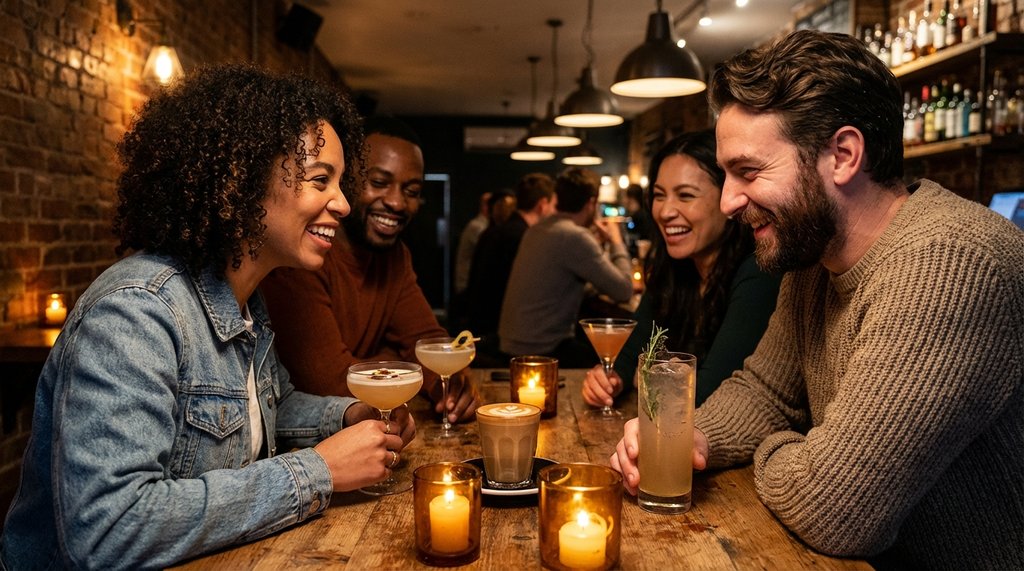
Even if you find a bar with genuinely good espresso, there’s a dynamic worth being honest about: if you’re the person at the table ordering cortados while everyone else is on their third round, you’ll feel it. Not always. Not everywhere. But enough that it affects where and how you want to socialize.
The places that solve this best are ones where the non-alcoholic program is prominent enough that it doesn’t read as a special accommodation. When there are four coffee drinks and six zero-proof cocktails on the menu at the same price point and visual weight as the alcoholic options, it stops being a thing. You’re just ordering a drink. The bartender isn’t doing mental math about how to charge you. Nobody at the table thinks of it as different.
These places exist. Finding them is the project. The coffee quality and the social experience are separate variables and you want both trending in the right direction — a bar with great espresso run by staff who clearly wish you’d ordered a Negroni instead is a different evening than one where the whole operation treats what you’re drinking as a legitimate choice.
What’s Actually Changed in 2024
The “sober curious” wave that started getting mainstream press coverage around 2022-2023 has actually translated into real infrastructure now in a way it hadn’t before. The bars that got ahead of it — that built out non-alcoholic and coffee programs seriously — are now seeing enough volume from that demographic to reinforce the behavior. This is genuinely different from three years ago when most “mocktail menus” were just juice combinations someone threw together to avoid saying no.
The weak point right now is discovery. The supply has improved faster than the tools for finding it. Which is why the scrappier methods — going direct to coffee communities, doing the Instagram pre-check, being specific about roaster relationships — still outperform any app designed to solve this problem cleanly. That gap will probably close in the next year or two. For now, the work-around is working around it.
One thing I’d push back on that comes up constantly in the sober nightlife discourse: the idea that you should look for “coffee shop vibes” if you want good coffee late at night. That framing will send you toward places where the social experience is different from what most people mean when they say they want to socialize at a bar. The better move is to look for bars that have made coffee a real part of their identity — because those places exist, they’re just specific enough that you have to know where to look.
2 thoughts on “Specialty Coffee Bars: The 2026 Sober Nightlife Guide”