
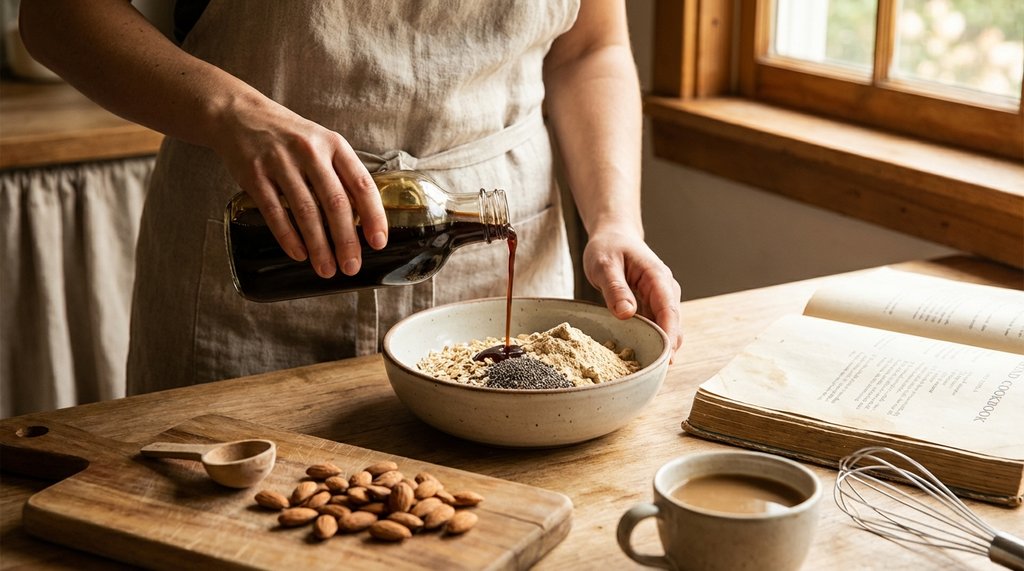
The first batch I ruined was a protein cheesecake. I’d added one scoop of Javy Protein Coffee directly into the batter alongside the eggs, then baked it at 325°F for about 55 minutes. The result came out with a weirdly grainy texture and a faint bitter edge that didn’t taste like coffee — it tasted like scorched coffee. I pulled the internal temp with a probe thermometer and it had hit 198°F near the center. That’s when I started actually paying attention to what heat does to this stuff.
What Actually Happens to the Protein When You Apply Heat
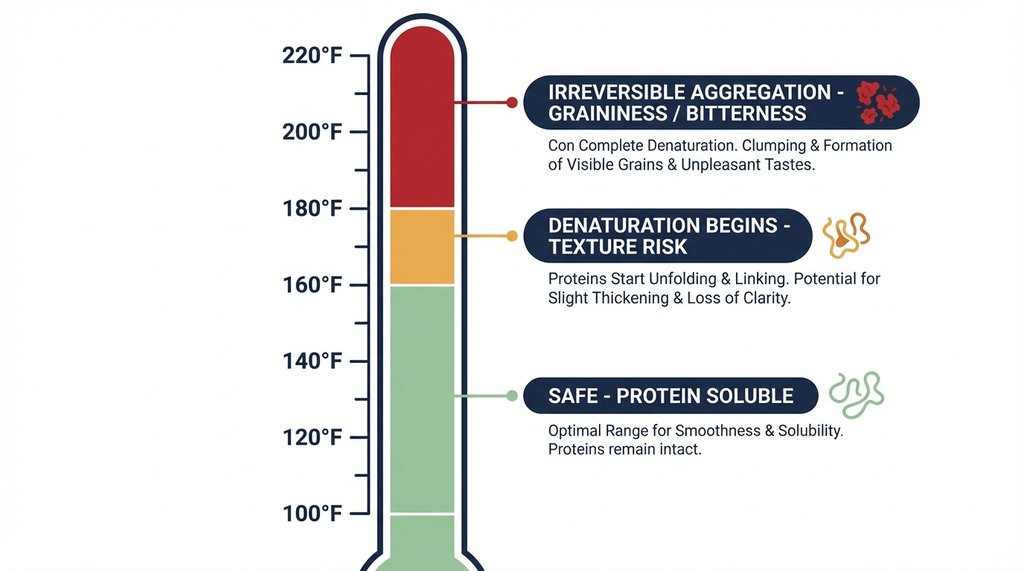
Javy Protein Coffee is built around whey protein as its primary protein source, which means you’re dealing with a protein that begins significant denaturation around 160–165°F. Denaturation itself isn’t the problem — you’re not “destroying” protein in the sense of eliminating its amino acid profile. What you lose is solubility and texture behavior. Above 180°F sustained for more than a few minutes, whey protein in a wet batter goes through irreversible aggregation, which in a baked good means graininess and sometimes a chalky aftertaste. In that cheesecake, the center spent roughly 20 minutes above 175°F while I was waiting for the outer edges to set. That’s the window where things went wrong.
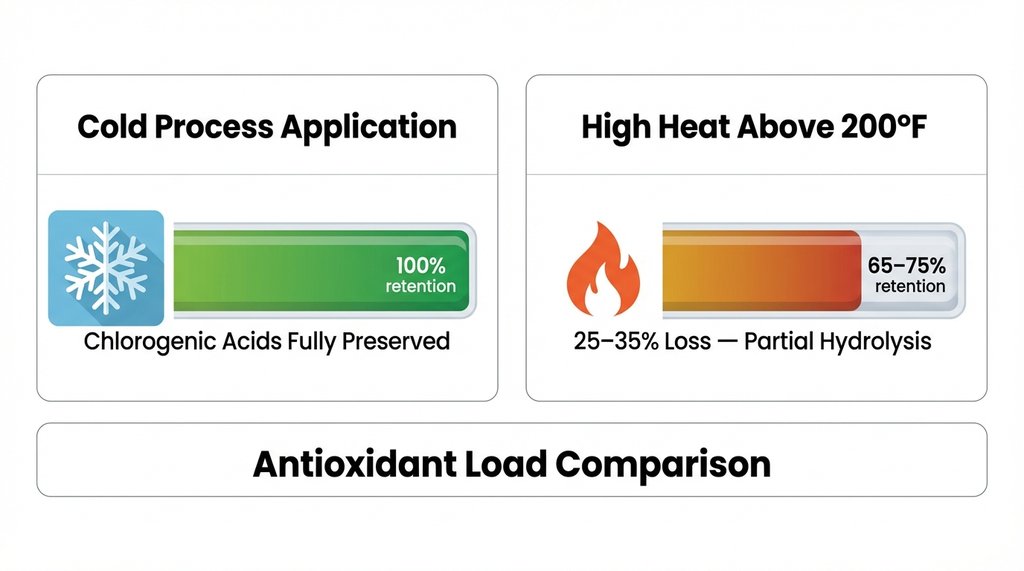
The caffeine and chlorogenic acids are a separate concern. They don’t degrade meaningfully at typical baking temps — chlorogenic acids can actually undergo partial hydrolysis above 200°F, which shifts the flavor profile slightly toward a sharper, more astringent note. That explained the off-bitter flavor I was getting. It wasn’t the protein. It was prolonged high-heat exposure to the coffee compounds themselves.
The Recipes That Actually Work — and Why
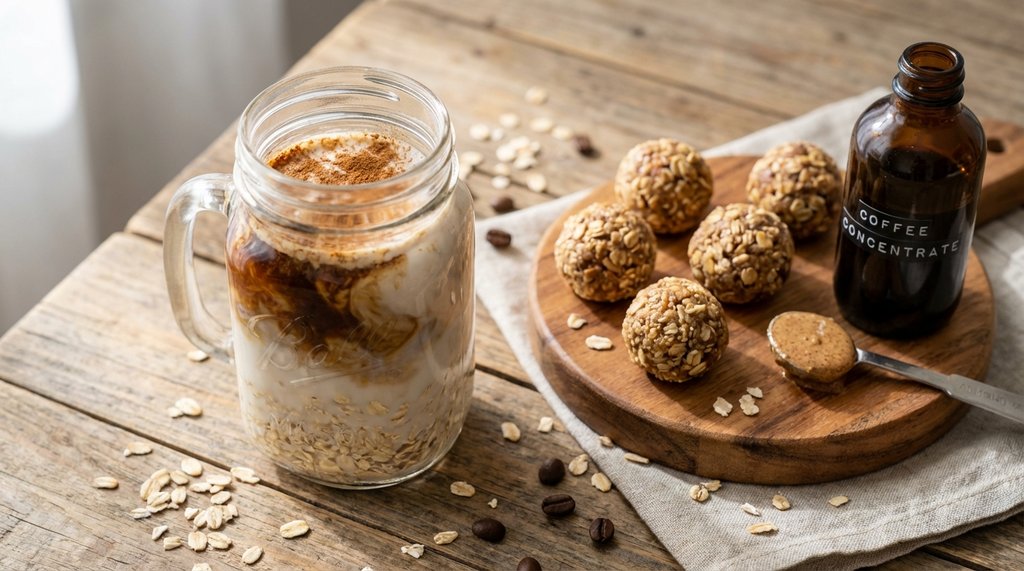
Overnight oats and cold-process mixing is where Javy Protein Coffee genuinely shines with zero compromise. I’ve been making a base of 1/2 cup rolled oats, 3/4 cup unsweetened almond milk, one scoop of unflavored casein, and one scoop of Javy Protein Coffee, stirred together cold and refrigerated for at least six hours. The powder disperses evenly without any heat exposure, the protein stays fully intact, and the total macro breakdown per serving comes out to roughly 40g protein, 32g carbs, and 6g fat — depending on which casein you use. No heat, no problem.
No-bake protein balls follow the same logic. The base I landed on after about four iterations: 1 cup old-fashioned oats, 1/2 cup natural almond butter, 1/4 cup honey, one scoop Javy Protein Coffee, and one scoop of whey isolate. The key thing I learned on the third attempt is that you add the Javy powder after mixing the almond butter and honey together. If you mix it with the dry ingredients first, the powder doesn’t distribute evenly and you end up with pockets of intense coffee flavor. Once you’ve combined the wet ingredients, fold in the Javy, then add the oats and protein powder last. Roll immediately and refrigerate. Internal temp never exceeds room temperature during the entire process.
Smoothies and protein shakes are the obvious use case but there’s a specific ratio issue most people ignore. One scoop of Javy Protein Coffee contains approximately 115mg of caffeine. If you’re using two scoops of a caffeinated protein powder on top of that — something like Ghost Whey Coffee Ice Cream or Dymatize ISO100 Dunkin’ Cappuccino — you can easily stack past 200mg per shake before you’ve had your first sip of actual coffee that day, making you question how much caffeine is safe per day. I hit 265mg in one shake early on and spent the next three hours in an unpleasant place. Now I use half a scoop max if I’m using any caffeinated supplement alongside it, or I switch to an unflavored isolate with no added caffeine.
The Baking Protocol That Actually Works
If you’re committed to baking with it, the rule I’ve settled on is never let the internal temperature of the finished product exceed 170°F. That means no full-bake cheesecakes, no dense protein brownies baked until a skewer comes out clean, and no muffins where the center needs to fully cook through at 350°F.
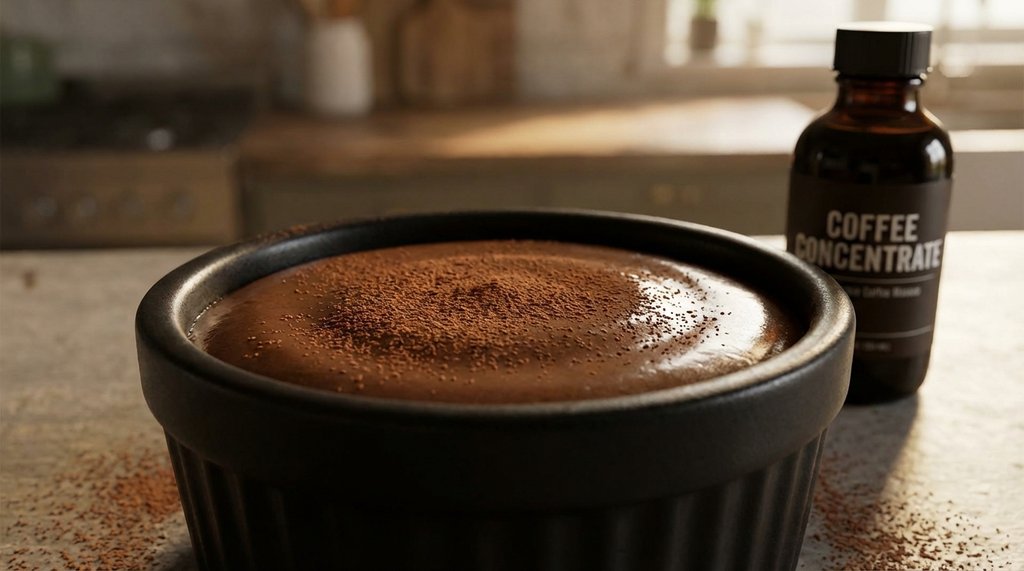
What does work: protein mousse set with gelatin. You heat the base liquid (typically full-fat coconut milk or heavy cream) to just under 180°F — hot enough to dissolve the gelatin, not hot enough to cause aggressive denaturation. You let it cool to around 110°F before folding in the Javy and the protein powder. The mixture sets cold. I’ve gotten this to 38g protein per serving using one scoop of Javy Protein Coffee, two scoops of unflavored whey isolate, and 1.5 teaspoons of unflavored gelatin powder in roughly 1.5 cups of coconut milk. Texture is clean, flavor is pronounced but not bitter, and you’re not cooking the protein.
Stovetop protein oatmeal with late-stage addition is another workable approach. Cook your oats to completion, pull the pan off heat, let it sit for 90 seconds until the internal temp drops below 160°F — if you have an instant-read thermometer this takes five seconds to verify — then stir in the Javy and protein powder. The residual heat finishes the dispersion without the sustained high-temp exposure that causes issues. I tested this temperature-controlled version against the “just dump it in while it’s boiling” method over about two weeks. The controlled version had noticeably better texture and zero bitterness. The uncontrolled version was fine maybe half the time and gritty the other half, depending on how long the oats stayed on heat after adding.
The Non-Obvious Problem With “High-Protein” Baking Recipes
Here’s the thing about most Javy-specific recipe content you’ll find: the writers are treating it as a flavoring agent, not a protein source. They’re adding a small amount to a recipe and then claiming the finished product is “high protein” because they also threw in a scoop of protein powder. That math usually lands between 20–24g protein per serving, which isn’t objectively bad, but it’s also not meaningfully different from what you’d get from just using the protein powder without the Javy.
Where the product actually contributes nutritional density is in a format like the mousse above, where you can get the ratio high enough that Javy’s own protein content (10g per scoop) becomes a legitimate part of the stack rather than noise. In high-volume no-bake recipes — protein balls made in a batch of 20, overnight oats prepped for five days — that contribution accumulates in a way worth caring about.
The other thing: if your goal is specifically to preserve the coffee-specific phytonutrients (the chlorogenic acids, the diterpenes if you’re using an unfiltered coffee base), heat is genuinely your enemy here. Most of the research on chlorogenic acid content shows losses of 25–35% when coffee is heated above 200°F for extended periods. Cold-process application preserves essentially all of it. That’s not a dramatic functional difference for most people, but if you’re using the product partly for its antioxidant load — which is a reasonable reason to use it — cold mixing is the only format that fully delivers on that.
What I Stopped Doing Entirely
Protein pancakes with Javy mixed into the batter. I spent about three months on variations of this before accepting that the format is fundamentally incompatible with getting clean flavor from a protein coffee powder. The combination of baking powder, egg, and high heat creates a chemical environment that interacts badly with the coffee’s acidity — you get a metallic undertone that no amount of sweetener covers. I’ve seen other recipe developers say they’ve cracked this, and when I’ve made their exact recipes, I get the same metallic note every time. The skillet temp (typically 350–375°F surface) and the steam-trapped cooking environment just don’t play well with this particular product.
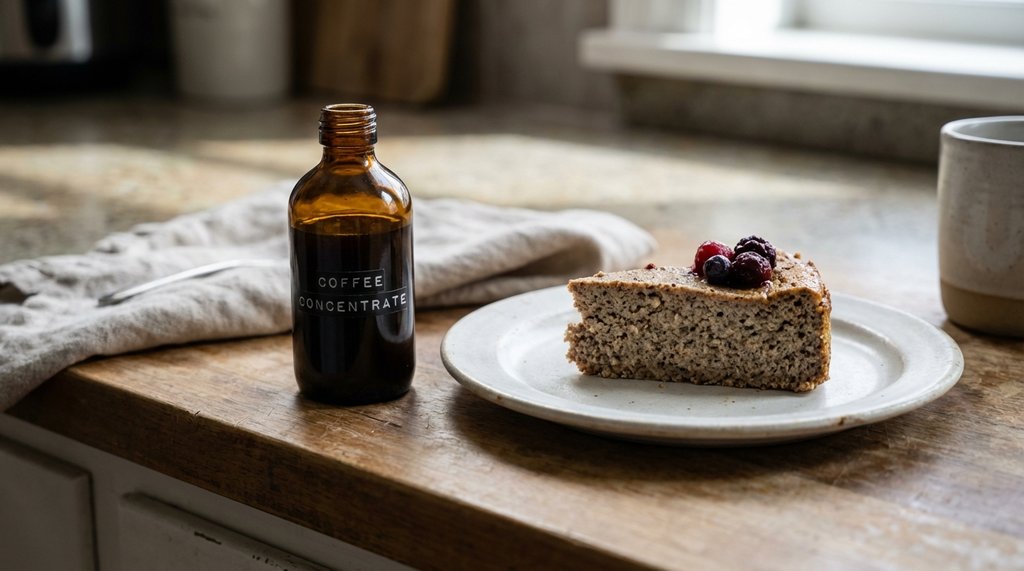
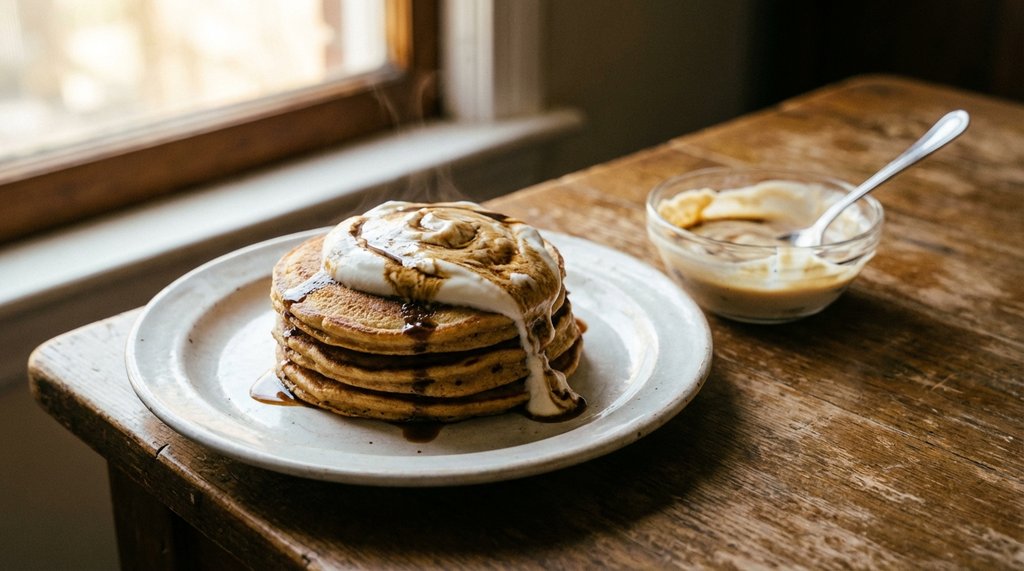
For anyone who genuinely wants coffee-flavored high-protein pancakes: cold brew the flavor in, don’t use the powder in the batter. Add a splash of cold coffee concentrate on top after cooking, mixed into Greek yogurt or a light cream cheese spread. You get the flavor hit without the heat damage and without the chemistry problem.
A Practical Weekly Structure
The approach I actually use, not the aspirational one:
Monday through Friday mornings: overnight oats prepped in five jars on Sunday night. One scoop Javy per jar, casein-based for slow-release protein since they’re sitting refrigerated for up to four days. Macros locked in, no morning prep.
Post-training, three days a week: smoothie with one scoop Javy, one scoop unflavored whey isolate, frozen banana, almond butter, ice, oat milk. This keeps the caffeine under control since I’m already using pre-workout.
One weekend batch of no-bake protein balls. These last about five days refrigerated and solve the 3pm snack problem better than anything else I’ve tried in this category.
The mousse format gets made maybe once every two weeks when I want something that feels like an actual dessert. It takes about 12 minutes of active work and the result genuinely doesn’t taste like a “healthy food.”
None of these involve an oven. That’s intentional. The product is optimized for cold and room-temperature applications, and working with it as though that’s a constraint to engineer around — rather than just its actual best-use case — is what makes most people’s Javy recipes mediocre.