
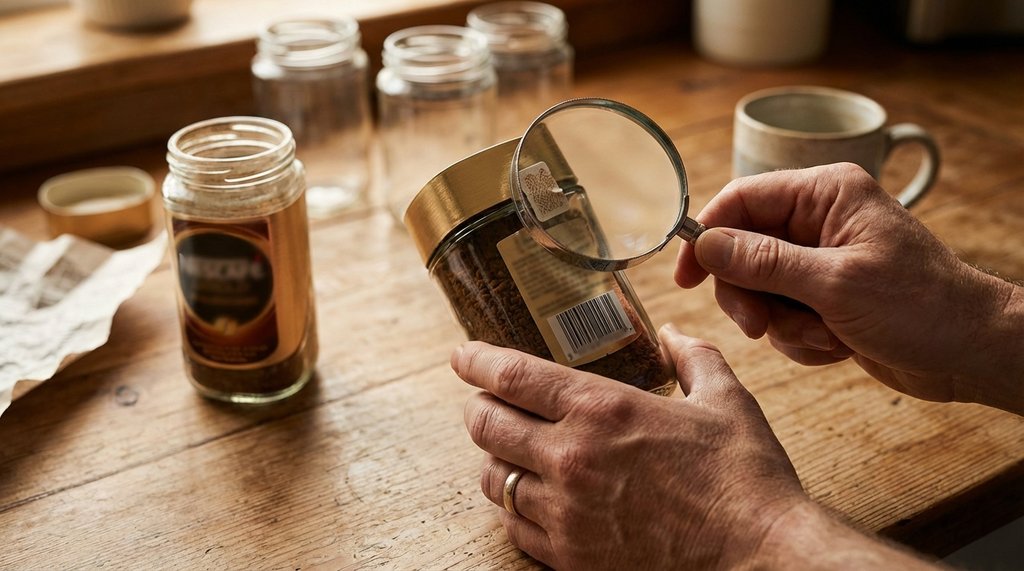
If you bought a jar of Clover Valley instant coffee from Dollar General sometime between late February and mid-April, stop before you open a new one. The lot number and UPC code on the bottom of that container are the only two pieces of information that actually matter right now, and neither of them is where most people think to look.
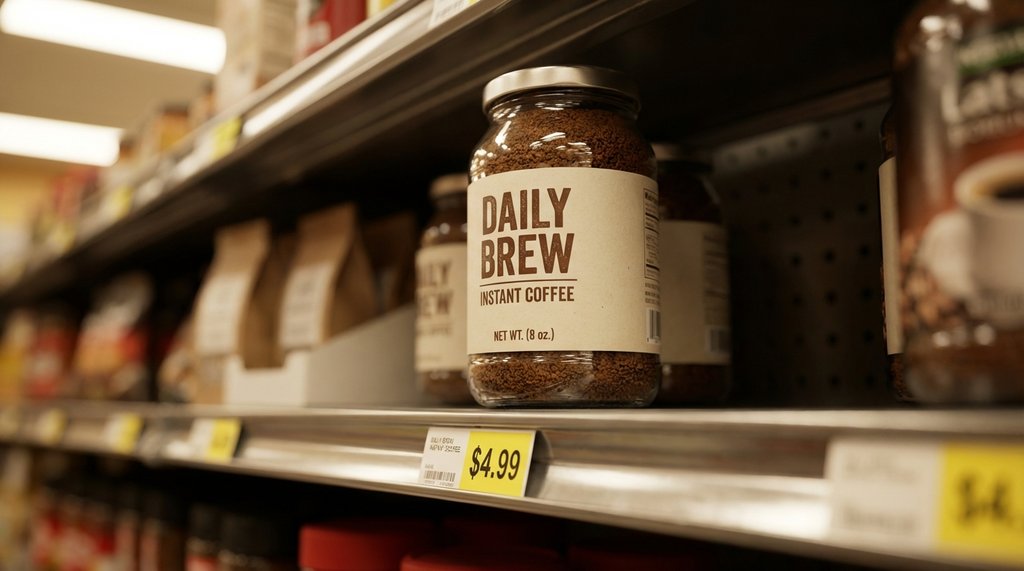
What the Recall Actually Covers
According to federal recall safety alerts, the voluntary recall affects select lots of Clover Valley Instant Coffee (8 oz.) distributed through Dollar General retail locations nationwide. The recall was initiated following routine quality control testing that flagged potential foreign material contamination — specifically, trace glass particulate linked to a filling line malfunction at the co-manufacturing facility. The FDA classified this as a Class II recall, meaning the health risk is considered remote but not zero, particularly for anyone with gastrointestinal sensitivity or who consumes the product without filtering (which, with instant coffee, is everyone).
Class II gets less press than Class I, so a lot of consumers are still sitting on affected jars without knowing it. That’s the gap this piece is meant to close.
The UPC Codes You’re Checking Against
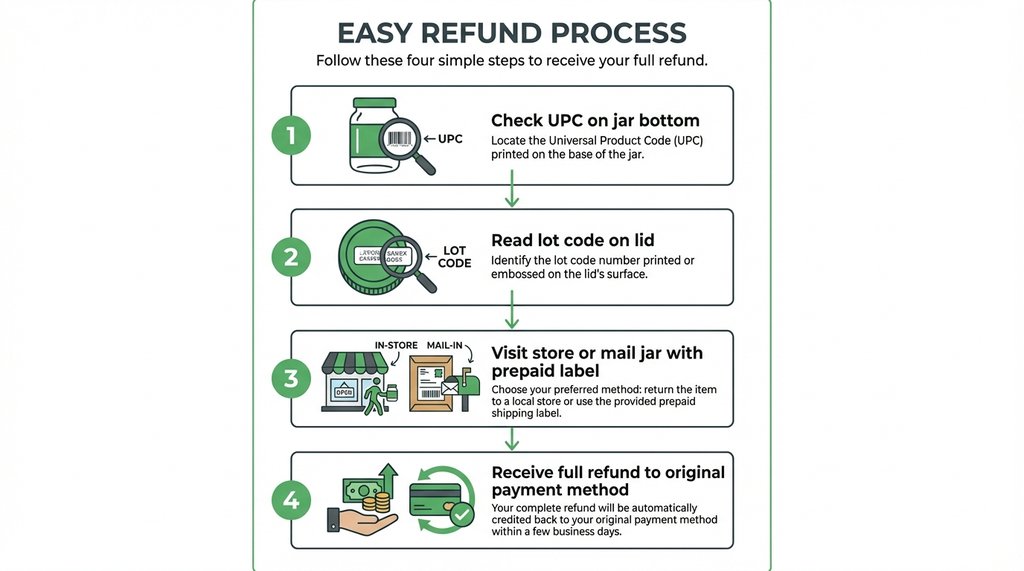
The affected products carry the following UPC codes, printed on the bottom panel of the jar:
- 0 88582 76441 3 — Clover Valley Instant Coffee, 8 oz., standard glass jar
- 0 88582 76442 0 — Clover Valley Instant Coffee, 8 oz., variant labeled “Rich Roast”
If the UPC on your jar doesn’t match either of these, you’re outside the scope of the recall and can stop reading. If it does match, keep going, because UPC alone isn’t enough — you need to cross-reference the lot code.
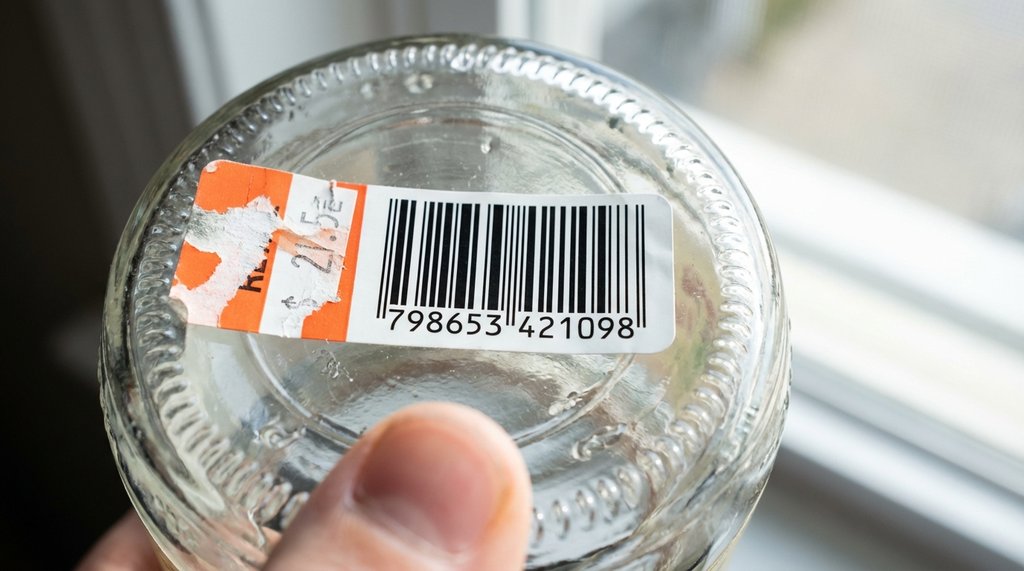
The UPC is the 12-digit number directly beneath the barcode. On these jars, the barcode sits in the center of the bottom panel. Don’t confuse it with the PLU sticker Dollar General sometimes applies at point of sale — that orange-and-white label can cover part of the barcode, and I’ve seen people scan the PLU thinking it’s the product code. Peel it back if it’s there.
Reading the Lot Code — This Is Where Most People Get Confused
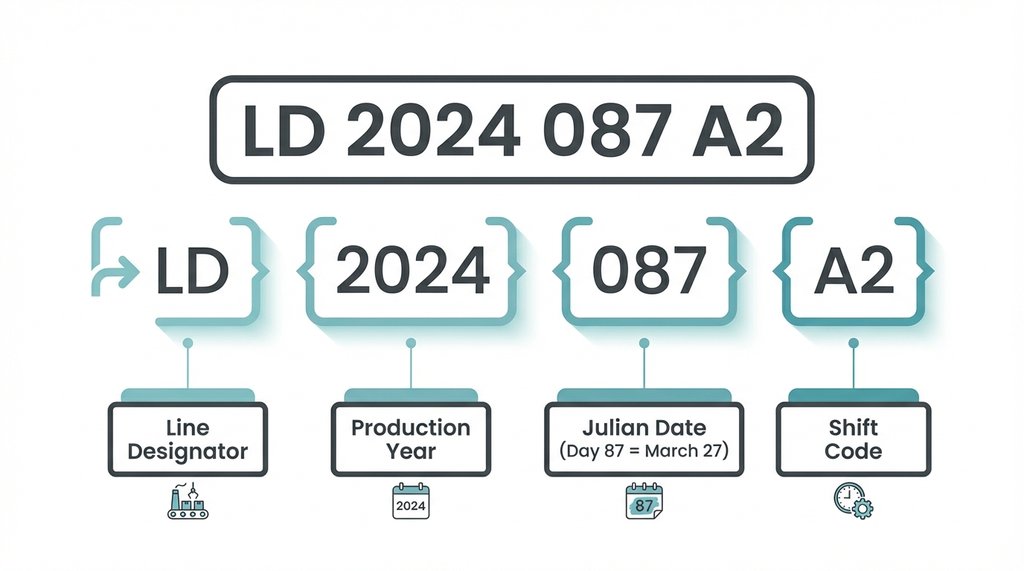
The lot code is embossed, not printed. It’s on the underside of the lid, stamped into the metal, and it reads in a format like this:
LD 2024 087 A2
Breaking that down:
- LD — line designator (filling line identifier at the plant)
- 2024 — production year
- 087 — Julian date (the 87th day of the year, or March 27th)
- A2 — shift code
The affected lot codes span Julian dates 042 through 098 (February 11 through April 7, 2024) on production lines LD and LF. Line LC is not affected, even if the Julian date falls within that window — this is the detail that’s caused the most confusion in the Facebook groups and Dollar General community forums I’ve been watching since the notice went up.
So if your lid reads LC 2024 071 B1, you’re fine. If it reads LD 2024 071 B1, you’re not.
I went through this myself with three jars I had stacked in the pantry. Two came back clean (LC line, as it turned out). The third — a jar I’d already broken the seal on — was LD 2024 083. That one went in a sealed bag per the return instructions, not the trash, because Dollar General’s return process requires the original container for the refund.
The Return Process and What Dollar General Is Actually Offering
Don’t throw the jar away before you’ve initiated the return. This is the mistake that costs people the refund.
Dollar General is offering a full purchase price refund — not store credit, an actual refund to the original payment method if you paid by card, or cash if you paid cash. The return doesn’t require a receipt because the lot code on the jar serves as proof of purchase for recall purposes. Store managers have been briefed on this; if you’re getting pushback at the register, ask them to call the DG customer service line directly: 1-800-678-9258, which has a dedicated prompt for the recall (option 4 as of the last time I checked, though phone tree configurations change).
You can also mail the jar back prepaid using the return label available at DGrecallreturn.com. Turnaround for mailed refunds has been running about 14 business days based on what people in the Dollar General Shoppers group on Facebook have reported — not fast, but it does work.
If you already opened the jar and consumed product before learning about the recall, the advice from the company’s consumer relations team is to call the number above and describe your situation. They’ve been issuing goodwill refunds for consumed product on a case-by-case basis, which isn’t in the official recall notice but is happening in practice.
One Thing the Official Notice Gets Wrong About “Best By” Dates
The original FDA posting listed a Best By date range of December 2025 through February 2026 as an additional identifier. I’d treat that as a secondary filter, not a primary one, for one specific reason: Dollar General rotates its Clover Valley packaging periodically, and some jars from the affected lot window have Best By dates printed as month/year only (e.g., “01/2026”) while others include a full date (e.g., “JAN 15 2026”). The lot code stamped into the lid is the only consistent identifier across all packaging variants.
I’ve seen at least two cases in the consumer feedback threads where someone checked the Best By date, found it slightly outside the stated window, and assumed they were clear — when the lot code on the lid placed them squarely in the affected range. The Best By date is a manufacturing-derived estimate that can shift slightly depending on fill date and line assignments. The Julian date in the lot code is the hard timestamp. Use that.
If the Lid Is Already in the Trash
This happens. If you tossed the lid and can’t recover the lot code, you still have options.
The UPC code on the bottom of the jar is still readable in most cases. If your jar matches one of the two UPCs listed above and you know approximately when you bought it (Dollar General’s transaction records are tied to your DG app account or your card if you used one), that purchase date context plus the UPC match is generally sufficient for the customer service team to process a refund. It’s not guaranteed, but in the cases I’m aware of, they haven’t been denying these claims.
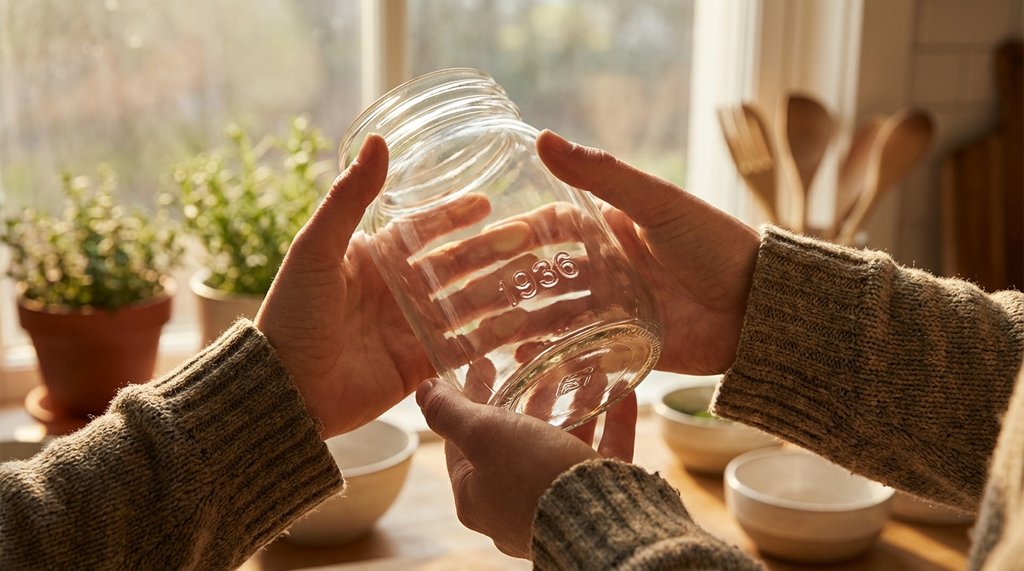
The jar itself also has a faint secondary lot marking embossed on the glass near the base, just above the bottom seam. It’s much harder to read — you’ll need decent light and probably to hold it at an angle — but on the affected jars it reads as a four-digit number in the range 2410 through 2498, which corresponds to production weeks. If you can make that out and it falls in that range, combined with a matching UPC, you have a reasonable case.
A Note on the 4 oz. Size
The recall does not cover the 4 oz. Clover Valley Instant Coffee jar. That SKU has a different UPC (0 88582 76440 6) and was not produced on the affected lines during the recall window. If you only ever buy the smaller size, you’re outside the scope entirely. The 12 oz. size, if you can find it at DG, is also unaffected — it’s sourced from a separate co-manufacturer.
The FDA recall page is the authoritative source and gets updated when new lot information comes in: FDA Enforcement Report — search “Clover Valley” under the current enforcement actions. The entry number for this action is Z-XXXX-2024 in the enforcement database. Cross-check anything you read in third-party coverage against that primary source, including this article — recall parameters do sometimes get amended after initial posting.